Fake AI event invites are going around right now, and they are not spam — they are a working attack. Pages posing as OpenAI, SpaceX and Anthropic events are harvesting business Microsoft and Google accounts, including passwords, MFA responses and session cookies.
Bottom line up front: if an invite offers you free ChatGPT Pro, free Grok Heavy or a “SpaceX share” and asks you to sign in with your work account to claim it, close the page. No real event makes you sign in to register for a freebie — and this one is designed to get past your MFA.
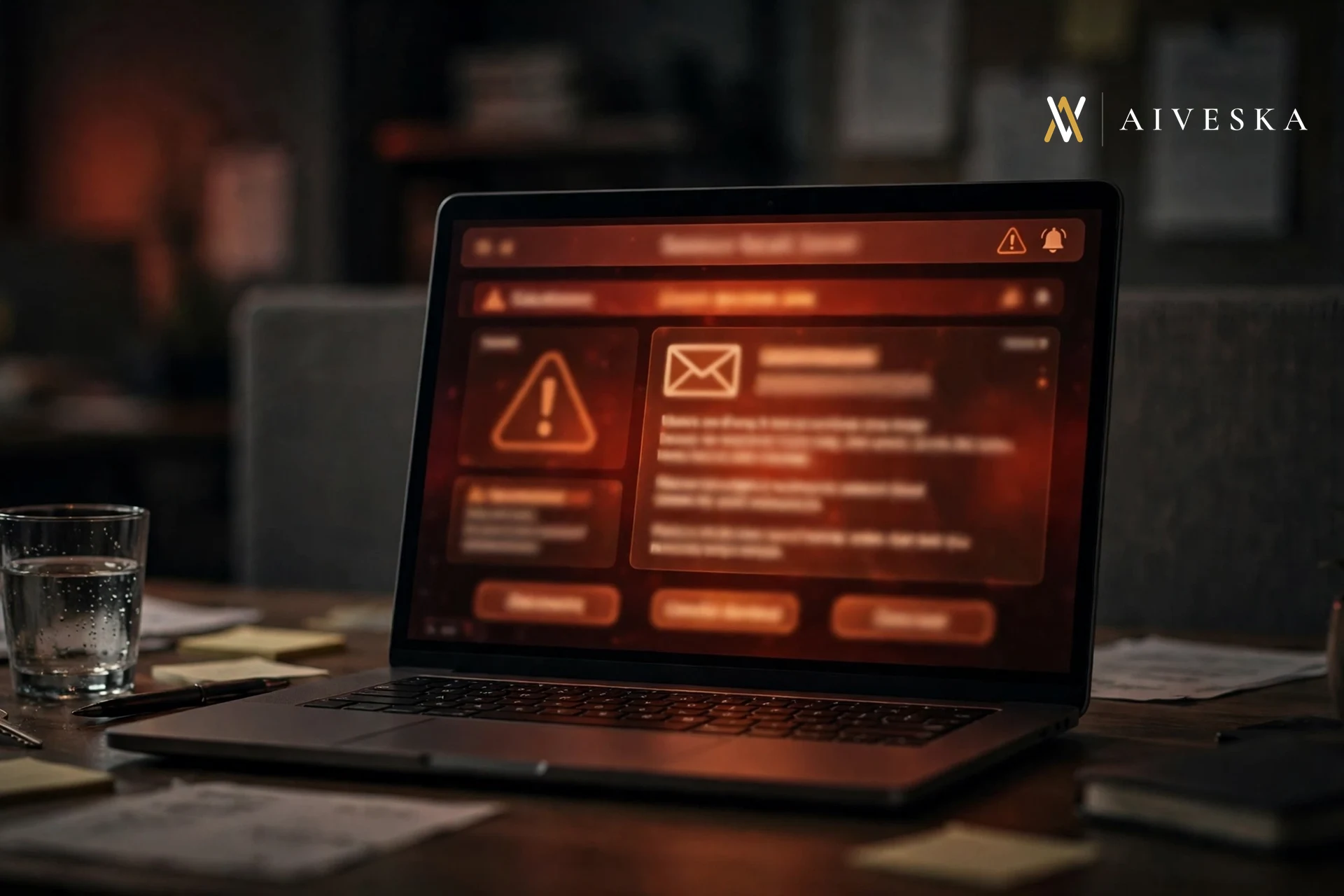
Table of Contents
What is actually happening
Security firm Push Security reported on 5 November 2026 that it detected and blocked visits to the fake registration pages on customer browsers in late October.
The lures are convincing: an OpenAI Academy livestream promising three months of ChatGPT Pro, a private SpaceX briefing offering three months of Grok Heavy or a purported SpaceX share, and an Anthropic event tied to AWS re:Invent. The OpenAI and SpaceX pages were live from 29 October to 2 November, advertising events on 4 and 12 November.
Each page asks the visitor to sign in with a work account to claim the reward, offering two buttons: “Continue with Microsoft” and “Continue with Google”. That is where the attack splits in two.
How fake AI event invites steal your account
| You click | What happens |
|---|---|
| Continue with Microsoft | The page generates a Microsoft device code and tells you to paste it on Microsoft’s real device-login page. You approve it — and the attackers get authentication tokens for your account. A second stage then sends you to a fake Microsoft sign-in page that can also capture your password and session cookie. |
| Continue with Google | A fake Google sign-in page sits between you and the real Google login, relaying the real process while collecting your password, your MFA response and your session cookie. |
Both routes are built to defeat multi-factor authentication: the Microsoft route bypasses MFA through the device-code flow, and the Google route captures a session that is already authenticated, MFA included.
Two separate phishing-as-a-service platforms are involved — Kali365 for the Microsoft device-code attack and VoidProxy for the Google relay — and the fake pages themselves were built with kits Push Security tracks as ZoomMock and MSDRoot.
Why small businesses are the target
A big company has a security team that blocks these pages and a policy that bans device-code logins. A small business usually has neither. One employee clicking a “free AI event” invite can hand over the company’s email, its cloud files and every account tied to that login — and because the attack steals a live session, changing the password afterwards may not be enough on its own.
The invites arrive by email, and the links run through Google short links or Zapier’s zpr.io, with the pages hosted on subdomains of eventrsvp.app — details that look ordinary in an inbox, which is exactly the point.
3 things to do today
- Tell your team the rule in one sentence. Nobody signs in with a work account to claim a free AI subscription or event reward. Real OpenAI, SpaceX and Anthropic events do not work that way.
- Never paste a device code from a website you did not expect. A device code is a login — if a page you just opened hands you one, it is asking you to hand over your account.
- Turn off device-code sign-in where you do not need it, and use phishing-resistant MFA. Push Security’s own advice: restrict device-code authentication, and prefer FIDO2 security keys, which a fake login page cannot relay.
FAQ
I already clicked — what now?
Revoke the session, not just the password: sign out everywhere, revoke app sessions in Microsoft and Google account settings, and check for unfamiliar devices and app approvals. If it was a work account, tell whoever manages IT the same day.
Does MFA protect me from fake AI event invites?
Not from this attack. Both routes are designed to capture an authenticated session after MFA, or to bypass it entirely through the device-code flow. Phishing-resistant MFA such as a security key is the step that actually helps.
Bottom line
Fake AI event invites work because the lure is exactly what a busy small business wants to hear — free access to the AI tools everyone is talking about. The price is your work account. The defence is free and takes a minute: never sign in to claim a reward, never paste a device code from a stranger’s page, and tell your team the same.